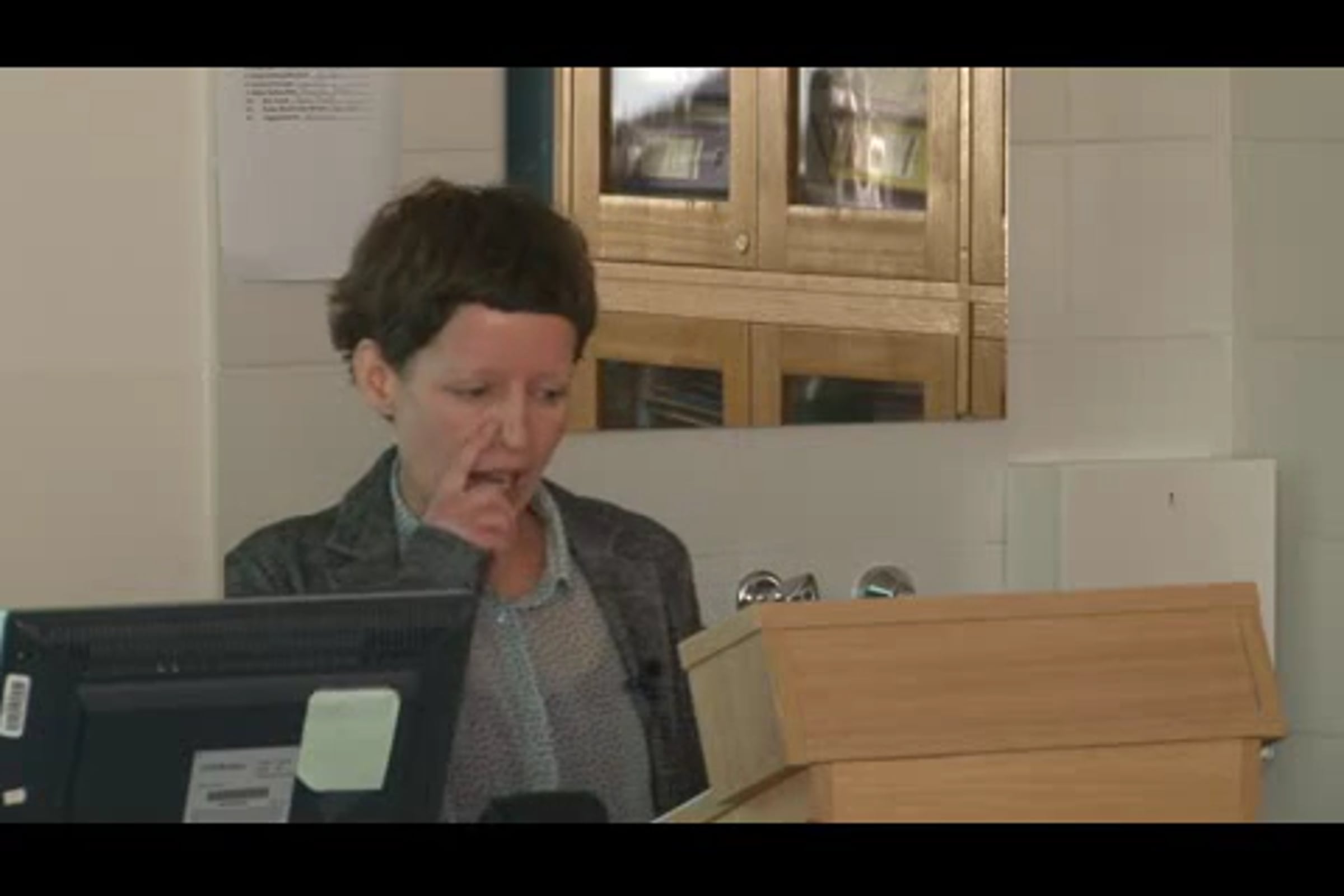
Heike Karge: Stony Memory – Petrified Memory? World War II Memory and Monuments in Yugoslavia

Part of the Seminar: Art for Collective Use: Monument, Performance, Ritual, Body
November 2015, Faculty of Arts University of Ljubljana
This lecture discusses public practices of remembering National Liberation War in Yugoslavia. It centers on the 1950s and 1960s, the time when most of the many monuments to the war and its fallen soldiers and victims were built in Yugoslavia. As has often been repeated in scholarly discourse, the official Yugoslav narrative of WWII remembrance was highly restricted and controlled, centering on the state’s founding myths of “brotherhood and unity” and “the socialist revolution”. However, the analysis of remembrance practices at different levels of the Yugoslav society, from the local to the central, will show that, despite the unilateral “control over meaning” that was projected by the political elite of the Communist Party, remembrance practices allowed for many, very diverse forms of social exchange, communication, and negotiation.
___________________________________________
HAIKE KARGE is Assistant Professor at the Chair of Southeast and East European History, University of Regensburg. She earned her PhD in 2006 with research into World War II memory culture and memory practices in socialist Yugoslavia. Her research interests are in the cultural and social history of the 20th century in Eastern and Southeastern Europe.
___________________________________________
Organized by: Igor Zabel Association for Culture and Theory; Department of Art History, Faculty of Arts, University of Ljubljana; Museum of Contemporary Art Metelkova
Supported by: ERSTE Foundation
Get started for free
24/7 customer support
Our customer support team is available to help 24/7. Enterprise members also receive dedicated account managers and a guaranteed uptime SLA.
© 2026 Vimeo.com, Inc. All rights reserved.
TermsPrivacyYour Privacy ChoicesU.S State PrivacyCopyrightCookies