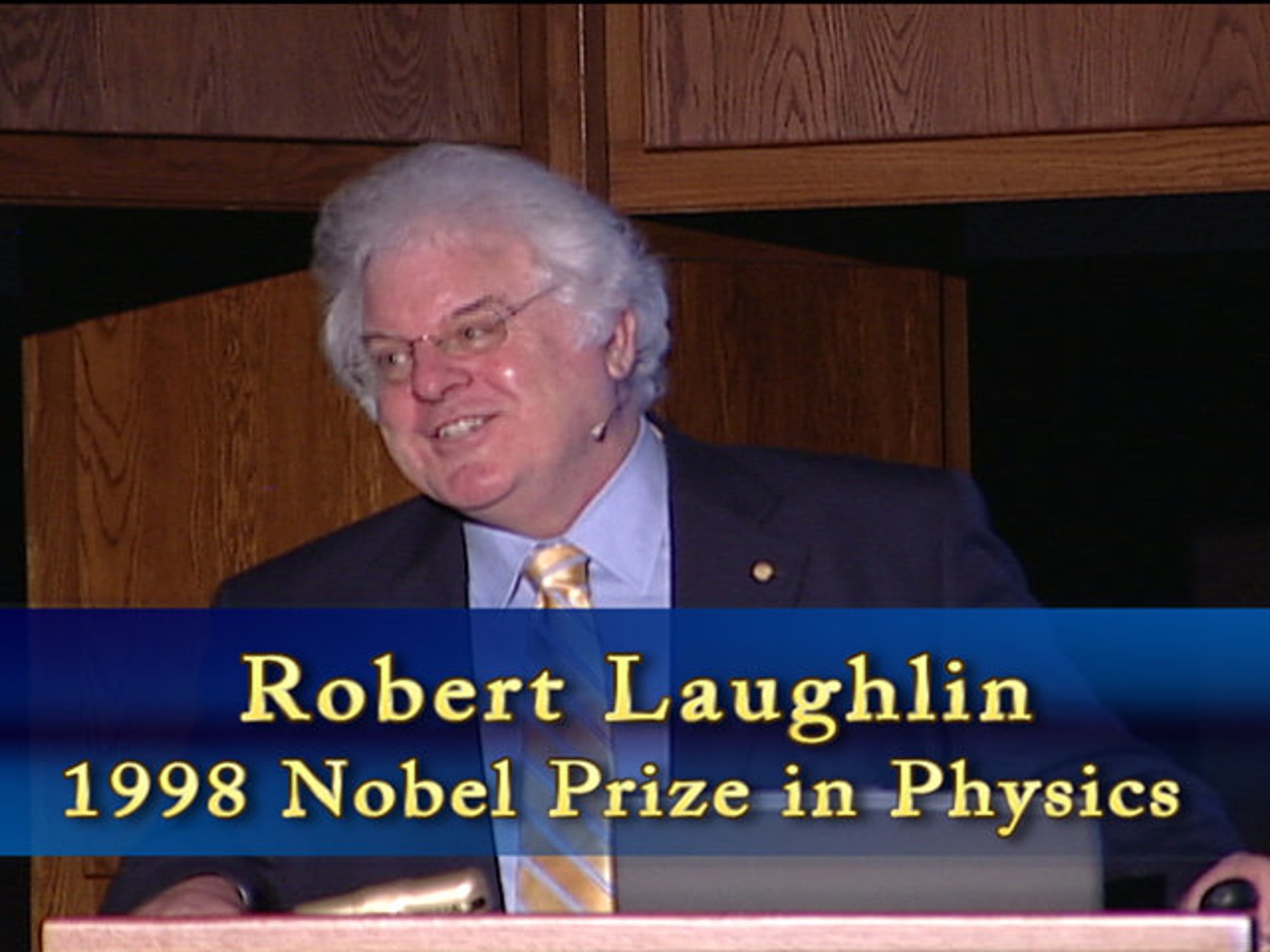
The Crime of Reason and the Closing of the Scientific Mind

About this lecture:
May 4, 2011 at the Linda Hall Library.
Robert Laughlin received the 1998 Nobel Prize in Physics. He is the Anne T. and Robert M. Bass Professor of Physics at Stanford.
A variety of trends in legislation, patents, and advertising restrict or even criminalize the use of knowledge. One stark example: the work of a medical researcher being halted by fee demands from the owner of a gene patent. And the stakes are being raised by the influence of the Internet, technology, and fast-advancing research in genetics. Indeed, control of the Internet (regularly at issue in legal battles about music and video piracy) and debates over the ethics of cloning are examples brimming with relevance and alarm in daily life. At issue is the conflict between the needs of our society to be safe and to be economically prosperous on the one hand, and a human right that you thought you had on the other, which is the right to better yourself by learning. But there's no such civil right, there's no such law.
Video produced by The VideoWorks of Roeland Park, Kansas.
Get started for free
24/7 customer support
Our customer support team is available to help 24/7. Enterprise members also receive dedicated account managers and a guaranteed uptime SLA.
© 2026 Vimeo.com, Inc. All rights reserved.
TermsPrivacyYour Privacy ChoicesU.S State PrivacyCopyrightCookies