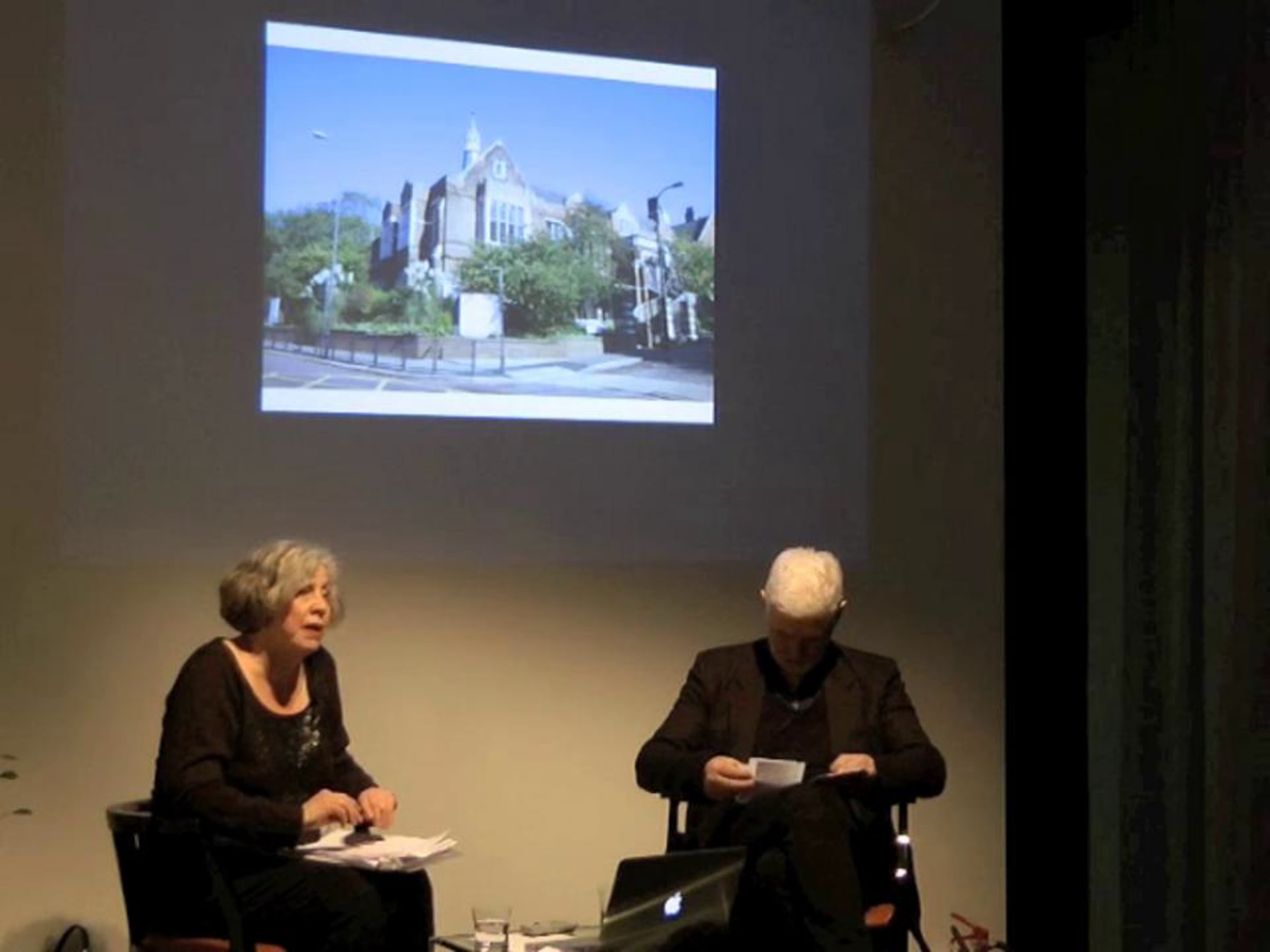
XVIII. Jenny Lomax_Building an Audience 1/4

After having discussed so many themes related to the contemporary art system, such as the relation between exhibition spaces and contexts; the roles of the curator, or the importance of publications, now is the moment to reflect about yet another key element of the contemporary art institution, which concerns reception, its core conceptions and strategies of engagement with the public.
One of the priorities of any cultural institution is that of attending to its public vocation, and thus to consider the relation to the wide and multiple variety of audiences. To animate this discussion we will examine two specific cases: the Kunsthalle Fridericianum, in Kassel (the city that every seven years also hosts Documenta), and the Camden Arts Centre, in London, because the intense activity, richness of approaches, and diversity of proposals of these two institutions have turned them into two exemplar cases of relation with the audiences.
By managing to develop strategies that push further the dialogues and reflections on art and culture; by generating communities interaction and by reaching varied audiences, both the Camden Arts Centre and the Fridericianum offer us an exemplar background to discuss about these topics, and to find answers such questions as: is there only one audience in contemporary art? Or are there many, and diverse publics? Is the audience that influences the choice of the program and initiatives or, instead, are those that capture diverse audiences and attract new visitors? How did the art audiences changed during the last years? How do audiences vary in different contexts? What initiatives can art institutions do in order to solidify the relation with its audiences?
Get started for free
24/7 customer support
Our customer support team is available to help 24/7. Enterprise members also receive dedicated account managers and a guaranteed uptime SLA.
© 2026 Vimeo.com, Inc. All rights reserved.
TermsPrivacyYour Privacy ChoicesU.S State PrivacyCopyrightCookies