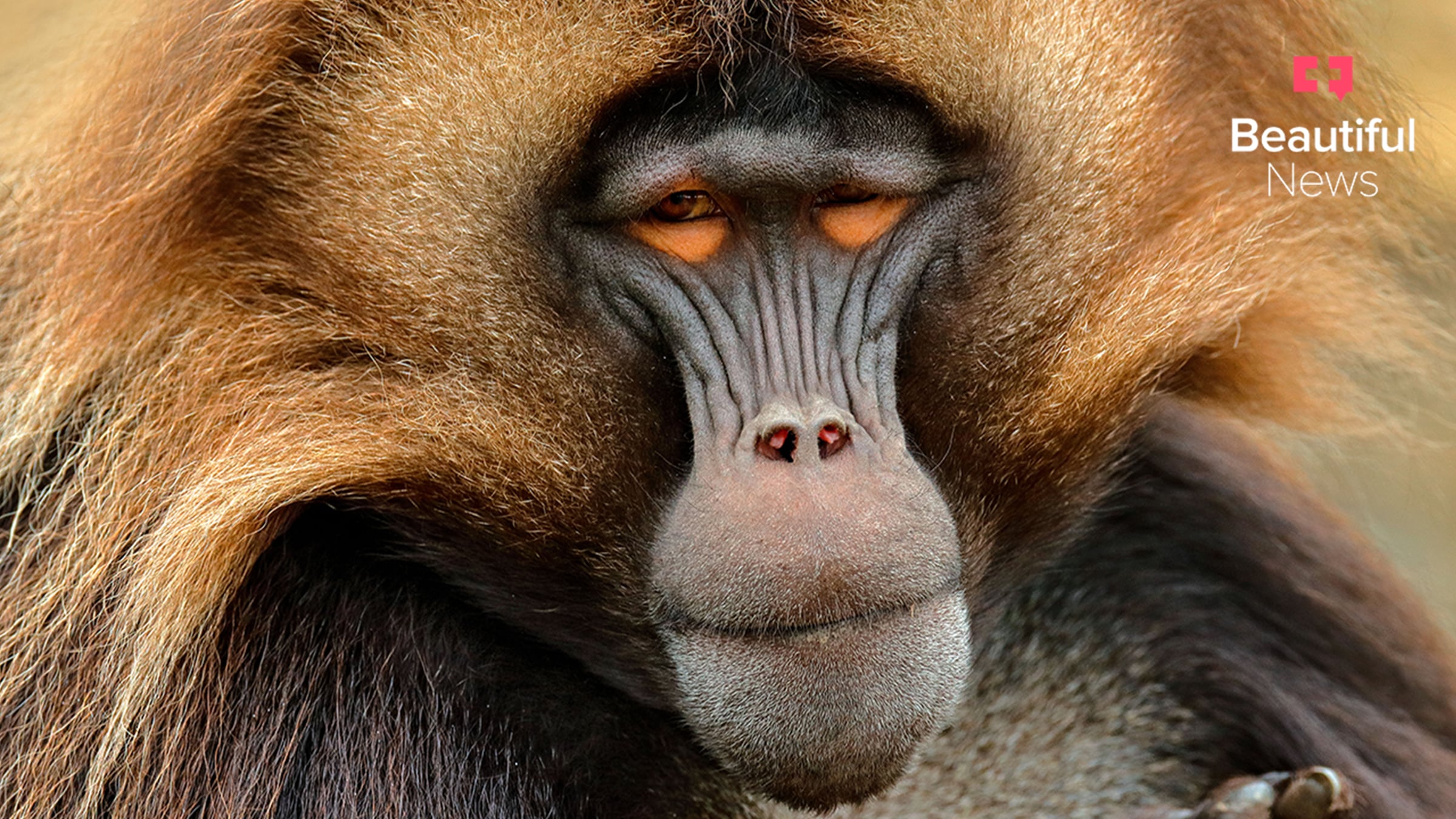
Protecting baboons isn't monkey business. This is what it means to coexist with our distant relatives

Across Africa and Arabia, baboons are marching in their troops. Occupying woodlands, savannahs and mountains, these animals have conquered several regions. But while their populations are thriving, many regard baboons as pests. They frequently come into conflict with people, especially farmers protecting their crops and livestock. Living in harmony with baboons is no monkey business, and conservationists are now leading efforts to encourage coexistence.
Humans belong to the same diverse family of mammals as these primates, making baboons our distant relatives. All five species of baboon are highly social, preferring to stay in groups of anywhere between five and 300 members. Despite their extensive range, baboons are losing their habitats as a result of agriculture and human expansion. They are also poisoned by people who regard them as a nuisance or hunted for their skins.
To foster empathy towards these animals, the African Wildlife Foundation (AWF) is implementing a series of initiatives that work closely with communities. They provide agricultural education that maintains sustainable habitats for baboons, and incentivise conservation by building schools in communities who live in close proximity to wildlife. By changing people’s misconceptions, the AWF is mobilising them to have compassion for baboons. While we share over 95% of our DNA with some primates, we should be exerting 100% of our effort to safeguard them.
Get started for free
24/7 customer support
Our customer support team is available to help 24/7. Enterprise members also receive dedicated account managers and a guaranteed uptime SLA.
© 2026 Vimeo.com, Inc. All rights reserved.
TermsPrivacyYour Privacy ChoicesU.S State PrivacyCopyrightCookies