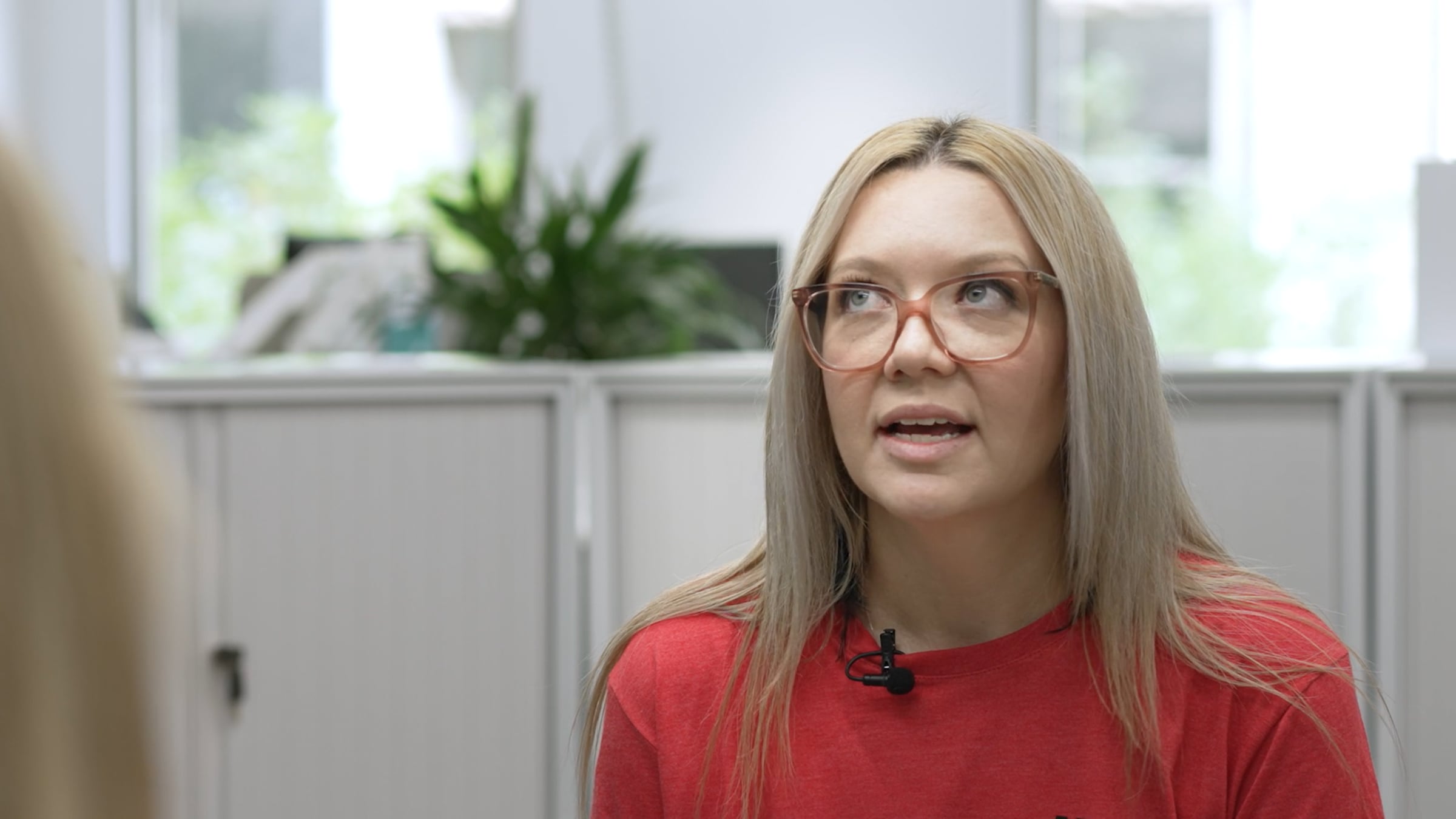
Lucy

Lucy - 29 years old who identifies as female (she/her). She is an Aboriginal woman from a remote community. Lucy has come for her annual health check. Lucy has a regular male partner. She has requested to see a female GP. English is Lucy’s second language. You take her observations, which are all normal. You see that she is due for a cervical screen test and offers this. During the pelvic exam you see a tiny sore on her vulva.
Clinical indicator
- Young person (< 30 years old).
- Aboriginal and Torres Strait Islander
- Regional/Remote community
- Genital lesion
Key learnings and take away
- Normalising – Normalising the reasons for asking the types and depth of questions to determine what tests need to be performed.
- Normalising – Normalising sexual health check-ups are just like any other routine check-up
- Role of assumptions – Just because Lucy was responding in English, she had listed this was her second language therefore it is good practice to ensure a patient does not need an interpreter
- Sexual history taking in a culturally appropriate way – Lucy asked specifically to see a female clinician as its central to Aboriginal culture to separate men's and women's business. So if this is a viable option always offer this when seeing patients who identify as Aboriginal as it may assist in the patient feeling more comfortable and therefore willing to disclose information of clinical relevance.
Get started for free
24/7 customer support
Our customer support team is available to help 24/7. Enterprise members also receive dedicated account managers and a guaranteed uptime SLA.
© 2026 Vimeo.com, Inc. All rights reserved.
TermsPrivacyYour Privacy ChoicesU.S State PrivacyCopyrightCookies