Hannah Arendt Without Words

When I was a child Klaus Barbie was still living in Bolivia. Apparently my father was introduced to him at some cocktail party and refused to shake his hand. This was one of very few occasions where my family's history leaked into our place in upper class Bolivian society.
On a friend's recommendation, I went to watch Hannah Arendt in the cinema, the film by Margarethe von Trotta about Eichmann's trial in Jerusalem and the New Yorker article that Hannah Arendt wrote which subsequently became A Report on the Banality of Evil. My reaction to it was quite visceral.
In order to make the story palatable to a broader audience, certain storytelling artifacts were introduced for us to relate better to the character and to heighten the personal drama of the story. The intention was admirable, to make a Hollywood story where the main character is a middle-aged woman whose heroism is grounded in thought.
The effect of seeing the real images of Eichmann inter-cut with this highly staged costume drama was jarring. A battle seemed to be playing out between character and symbol that was really interesting, only to be interrupted by a dialogue scene that grabbed you, shook you, and screamed at you: this is a movie.
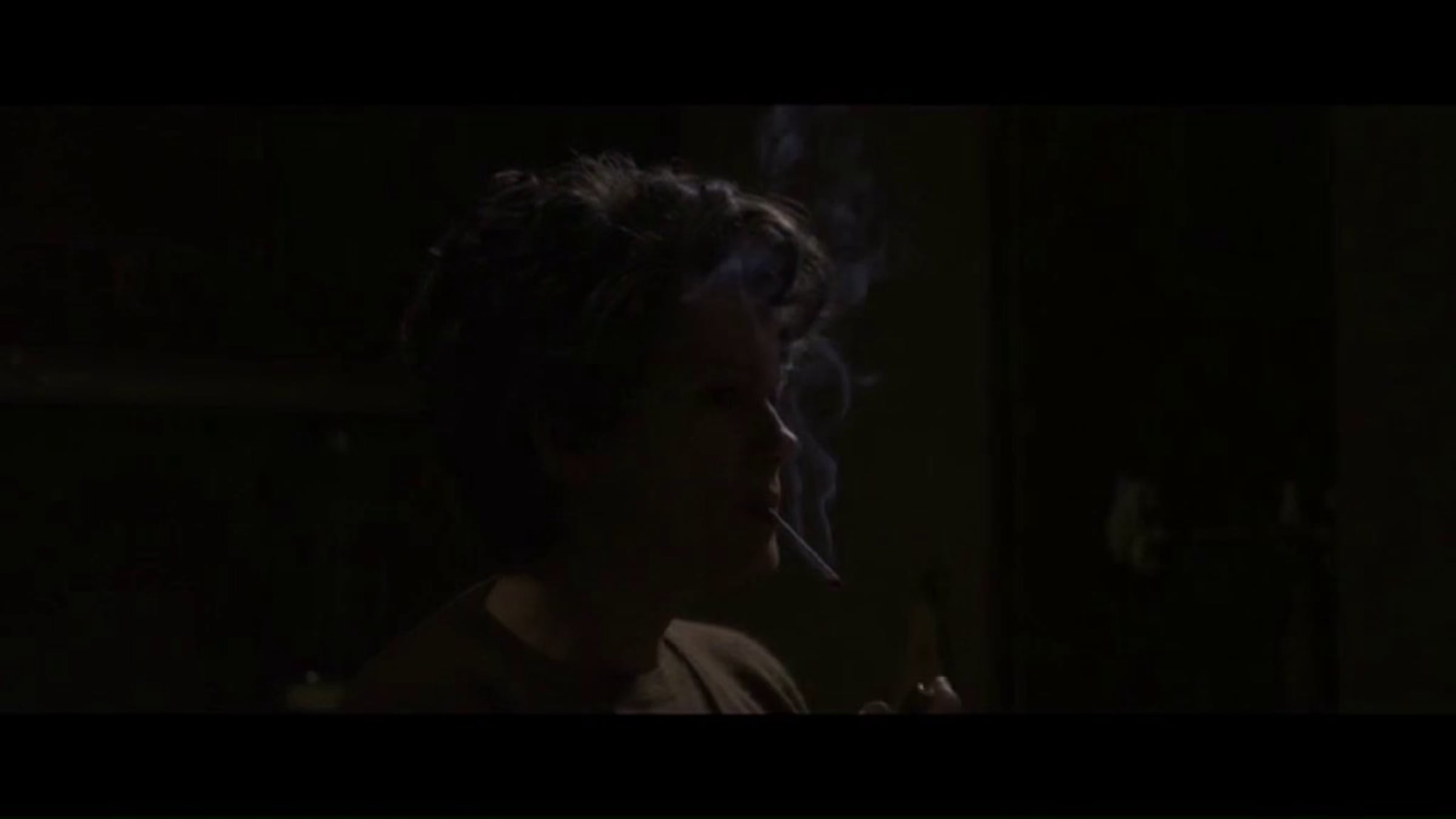
As an experiment, I took Margarethe von Trotta's work, and re-edited it, taking away all of Hannah Arendt's (the fictional character's) words.
Get started for free
24/7 customer support
Our customer support team is available to help 24/7. Enterprise members also receive dedicated account managers and a guaranteed uptime SLA.
© 2026 Vimeo.com, Inc. All rights reserved.
TermsPrivacyYour Privacy ChoicesU.S State PrivacyCopyrightCookies