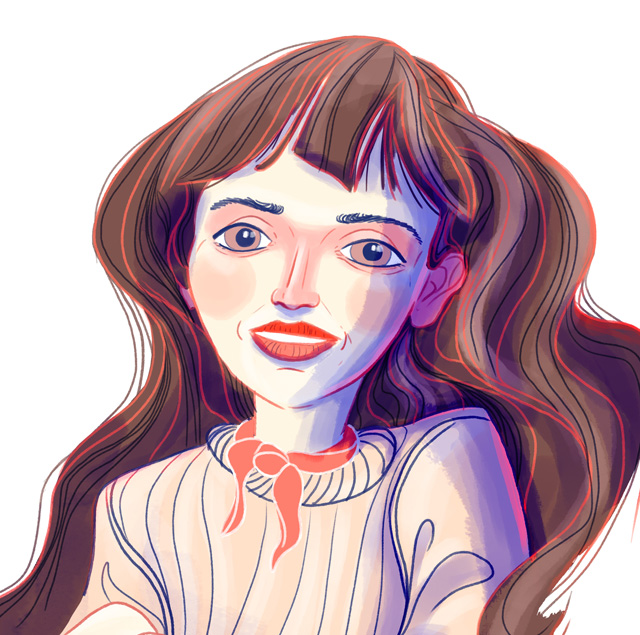
When five-year-old Signe Barvild Stæhr’s mother passed away from cancer, her absence left a large void. Now a working single parent in need of a maternal caregiver for his young daughters, Signe’s father sought to fill the emptiness left by his wife’s death with au pairs willing to take on the physical and emotional responsibility of caring for a grieving, “chaotic” household. What he found were young women seeking refuge from the disorder of their own homes, floundering in the face of an uncertain future.
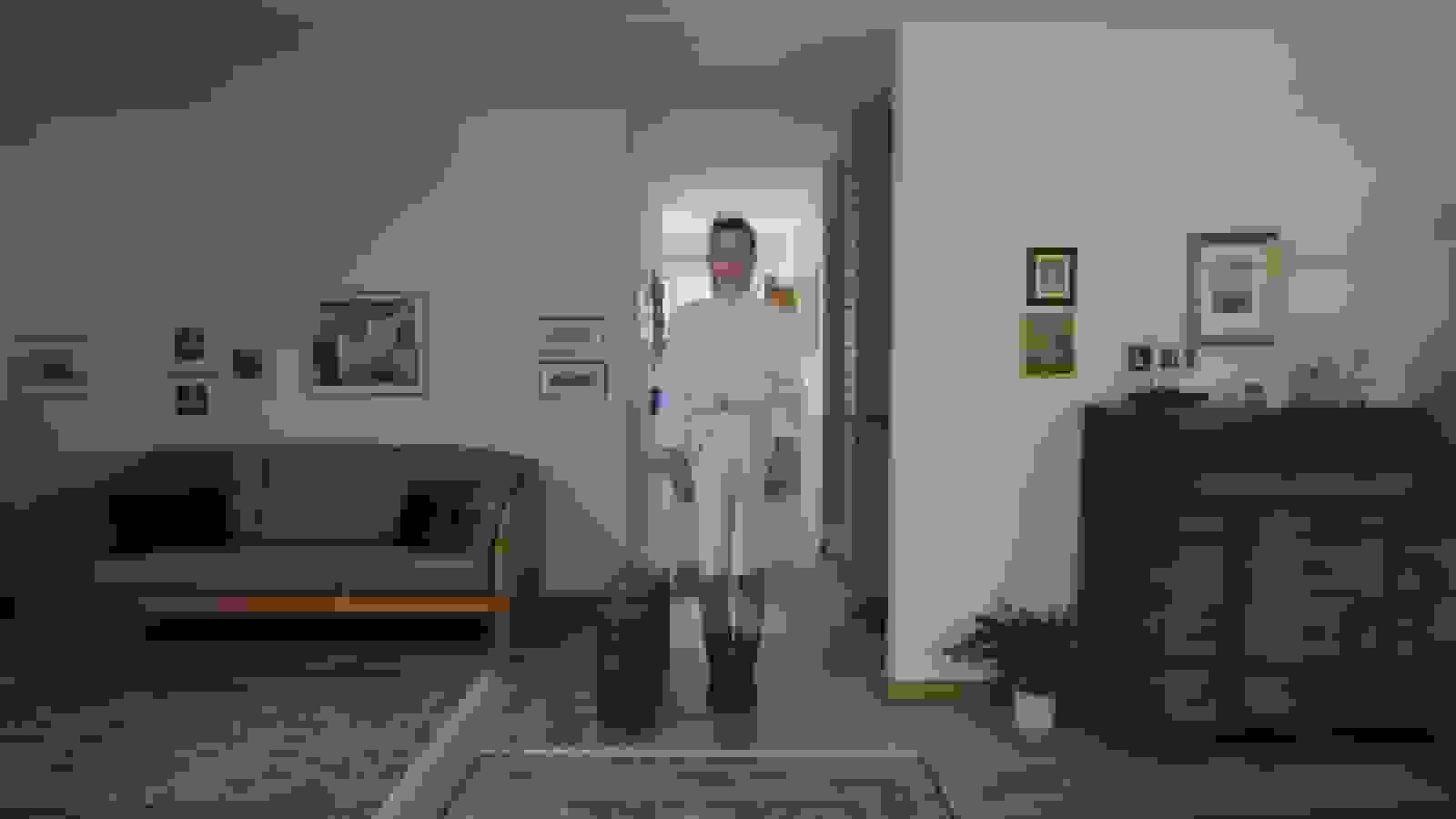
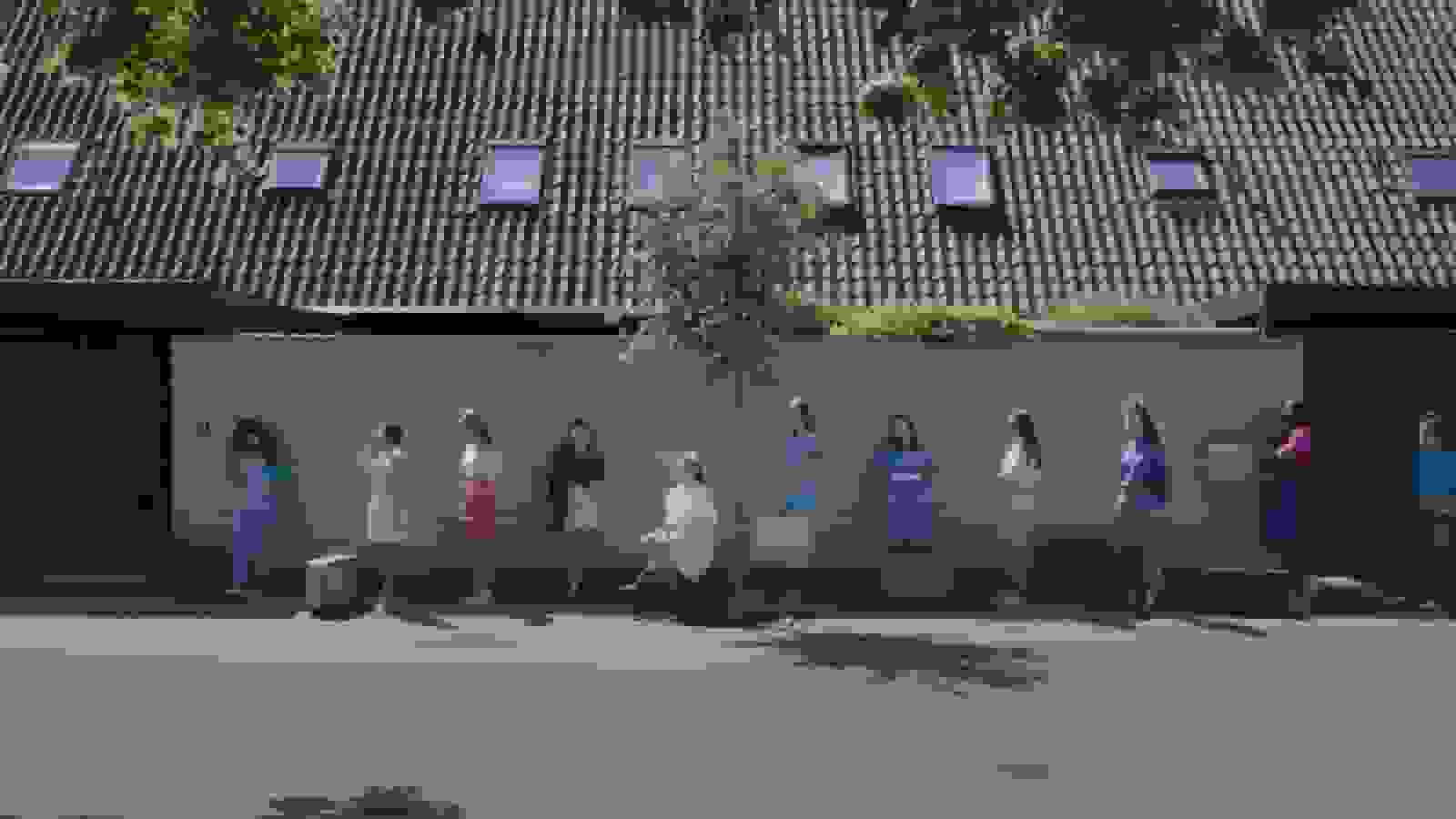
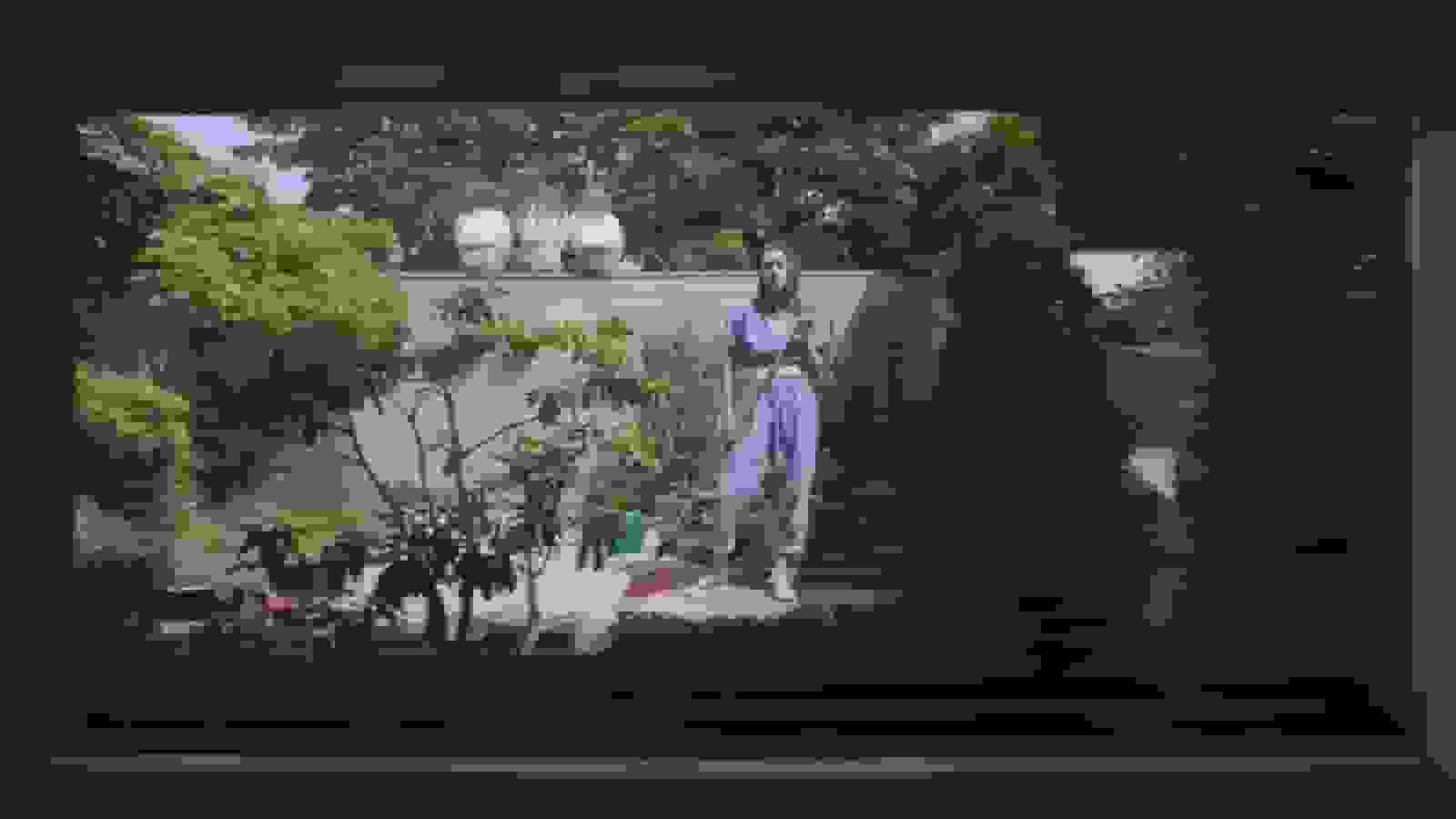
The winner of the Staff Pick Award at Palm Springs ShortFest 2021 is “The Nannies,” a documentary Signe made in order to more deeply understand the details of a vulnerable time in her development from the perspective of the adults who bore witness to her life at the time. With dreamy, modern portraits of peers in pastels and ruffled hems of the late 80’s representing fairweather caretakers of her past, “The Nannies” is a tender, personal, and artistic portrayal of how one family sought connection and love from strangers during a time of great loss.
As intimate as “The Nannies” is, we still had more questions for the director about the film’s unconventional structure and how its creation became a tool for communication and healing between she and her father. Read on for excerpts from our (virtual) interview.
On inspiration:
“I was inspired by a documentary called “Dreams of a Life” by Carol Morley and another documentary called “The Arbor” by Clio Bernard. Both directors are from the UK. I love the way they interweave documentary material and fictional elements together.
I was also inspired by artists like Andy Warhol, Cindy Sherman, Rene Magritte and photographer Rineke Dijkstra.“
On challenges faced while making the film:
“First of all, it was really difficult to get in touch with the nannies. I went to the local archive in the town where I grew up to find the names of the people who lived at the same address as me in 1988/1989. It was quite difficult to convince the archivist to give me the names, as there is a lot of jurisprudence and rules regarding this.
Secondly, the nannies were not very interested in participating in my documentary. I would actually say they were a bit sceptical.
Lastly, it was really difficult to get access to film in my childhood home because my father doesn’t live there anymore. Luckily, there are ten identical houses on the street. Some of my old neighbours still live there, and they remembered my family, so they let us film there. However, I think they were a bit overwhelmed by the many teenage girls who suddenly filled the house.”
On using the film as a tool for healing:
“It took us around five days to shoot the film, but all in all it took around five years to complete. There are years between the conversations. In the beginning, I only recorded the conversations as a kind of research. Later I found out that I could never record these conversations again, and I decided to keep them in the film.”
On the inclusion and aesthetic of the reimagined nannies:
“I find many ‘personal documentaries’ quite heavy and direct, so I took another direction with this project by not filming myself or the actual nannies, who today are around 50 years old.
I love the fashion of the 80’s, and I love contrasts. The colorful “nannies” just made a great match with the dull townhouse neighbourhood in the suburbs. I also remember the nannies were very cool, like bigger sisters who replaced each other, and I was very fascinated by their teenage stuff like magazines, walkmen, rollerblades etc.”
On the inclusion of fiction when telling a true story:
“I think the element of ‘fiction’ made it easier for me to digest the story. It is not ‘a mirror to reality’ but ‘my version of reality’. The aesthetics were quite funny to develop and make and made the process of going through my childhood trauma tolerable. It also gave me the control to decide what to show, and how to do it. Having that control was essential in this project.”
On her family’s response:
“My father likes the film. He cried when he saw it for the first time.
The rest of the family likes it, too, and it was very important for me to show it to them. Many of them, like my fathers brothers and sisters for example, have apologized to me for not being present enough. For many years I felt that my family failed me and my sister a bit, but after talking to them I understand them. Many had just started their own families, had full time jobs and they didn’t know how to react when my mother died. You didn’t talk about grief back then the way you do today.
I considered including my younger sister, but it just made the film longer and we didn’t have a big budget. She also doesn’t have the same interest as me in this period, because she was to young to remember anything.”
Her advance to aspiring filmmakers:
“Be original and believe in your ideas. Concentrate on something that is important to you. Be kind. Use your heart and instincts.”
What she’s working on next:
“I have a 1-year-old daughter, so the last year has been about her. I didn’t want to seek out any new projects, as I think they need to come to you. Some weeks ago, I got some news about a friend that I haven’t seen for many years, and this could be my next project…”