A video project can get complicated long before anyone hits record. You’re coordinating schedules, budgets, and feedback — often across multiple teams and production stages. For corporate video content or a larger and complex production, keeping all the moving parts connected can be a project in itself.
Good video project management gives that work much-needed structure. This guide is a blueprint for practical video production project management workflows to organize your crew from initial plan through final delivery.
What’s video project management?
Video project management is the process of organizing and streamlining video content production to keep the people, resources, budget, and creative work coordinated.
That work spans the entire video production process. Planning and pre-production tasks include setting a budget, building the schedule, and assigning responsibilities to your crew. Once production begins, the focus shifts to keeping the shoot on track and responding to changes as they happen. Post-production management brings its own moving pieces, including edits, feedback, revisions, approvals, and delivery.
Project management tools streamline collaboration by consolidating work scattered across email threads, spreadsheets, and various software for video. Some project management tools for video production focus on specific needs such as planning, progress tracking, or reviewing video.
Host and manage your videos with Vimeo →
How to manage a video project in 4 steps
Managing a video project means keeping track of decisions and details that change as the work moves from planning to post-production. This four-step process keeps your team on top of production management without making workflows more complicated than necessary.
1. Define the scope, budget, roles, and deliverables
Before you begin project planning and scheduling, nail down specifics about the video content and its goals. What are you making, who is it for, how much can you spend, and when does it need to be done? The answers will look very different for a short corporate video in one office than they will for a multiday promotional shoot across several locations.
This is also the time to settle responsibilities. Decide who can make production and budget decisions and, importantly, who signs off on the finished video.
2. Build the production schedule and assign resources
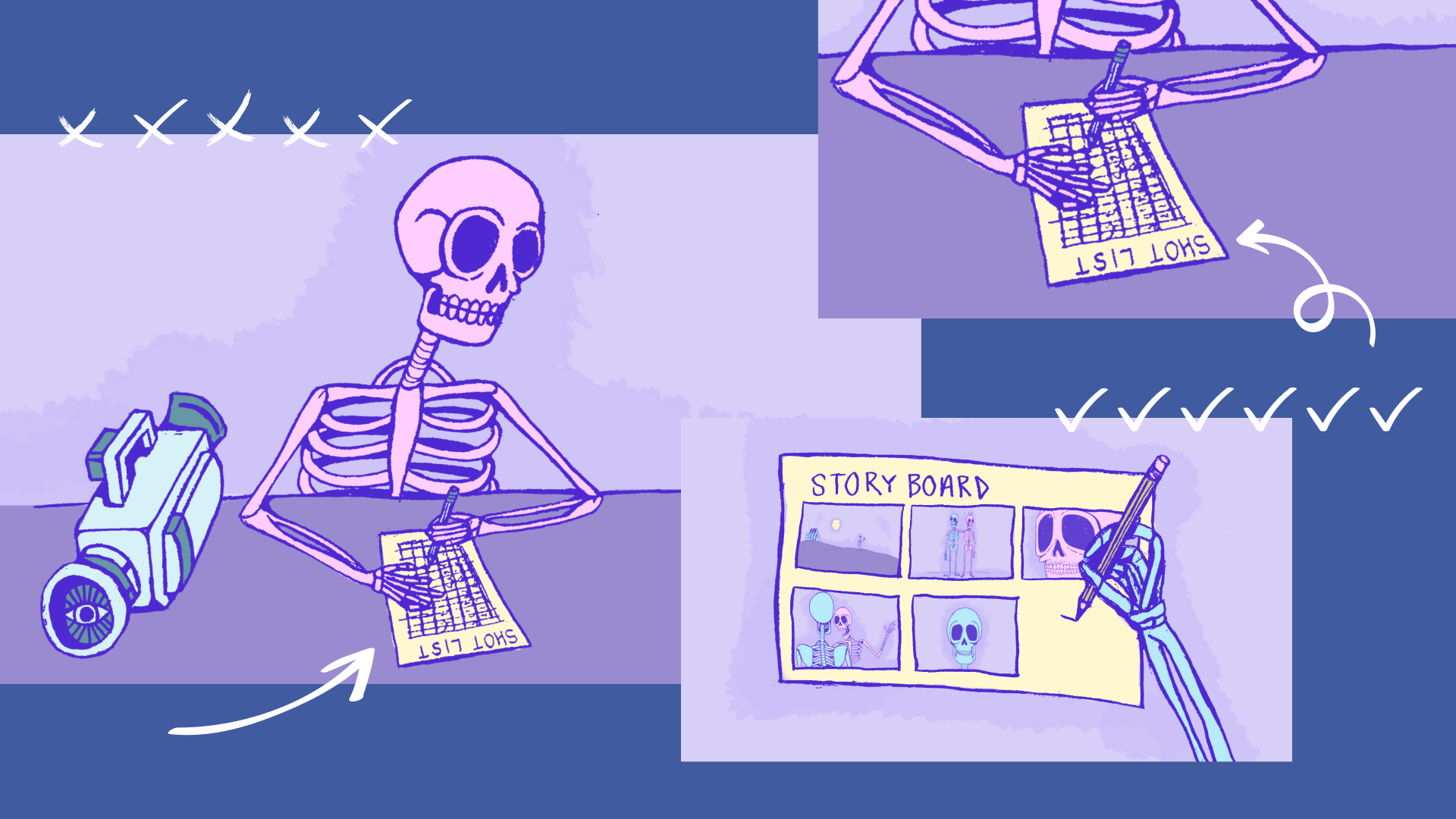
Next, map out the work between kickoff and delivery. Identify major pre-production milestones, shoot dates, editing time, review rounds, and final deadline, then assign the crew and resources necessary for each stage. A shot list, for example, is one tool that can help your crew plan for the footage you need to capture before the shoot begins.
Pay close attention to what must happen before something else can begin. You can't send an accurate call sheet if the location or shooting schedule is still up in the air. An editor can't begin cutting footage that hasn't arrived. Those types of dependencies are easy to overlook in a busy production environment, and one missed deadline can quickly affect several others.
3. Centralize tasks, communication, and video files
Briefs and storyboards live in one place. Raw footage lives somewhere else. Someone sends the latest graphics in a direct message, while client notes sit in an email thread. That asset management setup may work at the beginning of a project but becomes more difficult once file sharing and revisions ramp up.
Provide a consistent source of truth and place for crew members to find what they need. You don't necessarily need everything within one system, but people should know which system holds what. Project management tools might be where you track creative assignments and deadlines, while collaborative video editing tools host larger media files and creative work.
4. Manage review, approvals, and final delivery
Feedback is much harder to act on when one reviewer sends an email, another leaves notes in a document, and someone else requests their revisions in a meeting. Establish a review process before the first cut goes out, including where comments belong and who can give final approval.
Video review tools keep comments with the footage, so an editor can see the exact moment behind a note. Keeping earlier versions available also makes it easier to monitor changes from one cut to the next. After approval, deliver the final drafts in the video formats and specifications the project calls for.
Manage your video library with Vimeo →
What should video project management software include?
Most video teams won't manage an entire production in one piece of software. A video project management platform might handle assignments and deadlines, while other tools take care of scheduling a shoot or collecting feedback on the edit.
That means choosing software for video and production management is less about finding the single best platform and more about figuring out where your workflow needs help. A team that struggles to keep pre-production organized will need different tools from one that loses time chasing feedback during post-production. The following table breaks down where some of the most popular platforms excel.
| Platform | Best for | Useful video project management features |
| Vimeo | Video review and collaboration | Time-stamped feedback, review links, approvals, version history, and secure sharing |
| StudioBinder | Pre-production and production planning | Shooting schedules, call sheets, shot lists, task boards, and production calendars |
| Flow Production Tracking (formerly ShotGrid) | Complex production and post-production pipelines | Project tracking, scheduling, resource planning, asset management, reviews, and integrations |
| Wipster | Video review and approval | Feedback, approvals, version management, and client review workflows |
Before adding another tool to your tech stack, examine where projects tend to slow down. If your crew is missing deadlines or responsibilities, stronger project management software may help. If people are hunting for the latest cut or clients are sending notes in different places, file organization and review features deserve more attention.
Simplify video reviews and approvals with Vimeo
Even a well-managed video project can slow down during review. Feedback from clients and stakeholders needs to reach the editor clearly, and everyone needs to know which cut is ready for approval.
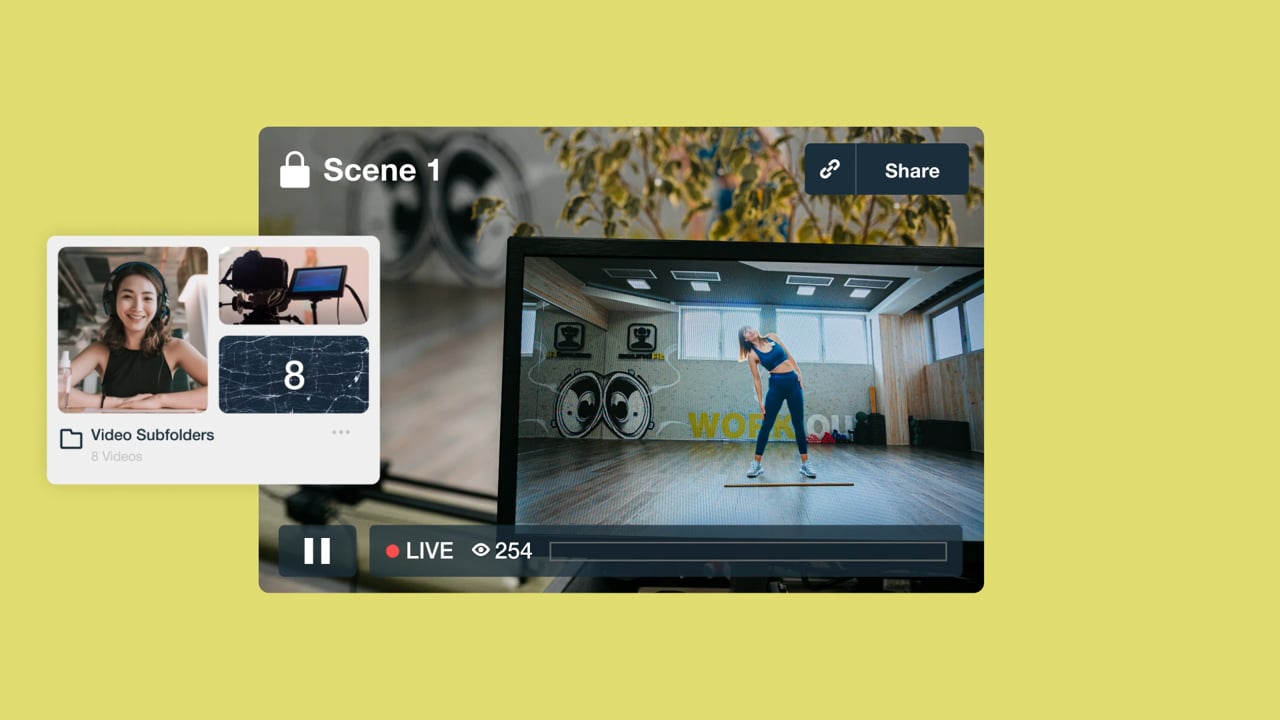
Vimeo keeps feedback connected to the video with time-stamped comments, shareable review links, and version history visibility. Editors using Adobe Premiere Pro can also bring comments into their editing workflow, making it easier to work through changes without tracking notes across separate conversations.
Alongside your project management tools, Vimeo gives your team a place to manage videos and move new cuts through the review and approval process. Explore Vimeo's video collaboration tools to simplify feedback, approvals, and the path to a final cut.
Get to the final cut faster with Vimeo collaboration tools →
FAQ
How is video project management software different from general project management tools?
Video project management software specializes in production workflows, such as scheduling, media organization, video review, and approvals. General project management tools focus more broadly on task deadlines and team coordination.
How does review and approval work in video projects?
Video review and approval lets stakeholders comment on a cut, request revisions, and approve the final draft. Time-stamped feedback and version tracking help editors streamline revision requests without relying on scattered notes from emails and meetings.
What does a common video production tool stack include?
Video production workflow software can cover project planning, file storage, editing, or video review, depending on the platform. Most teams combine a few tools based on their needs.